
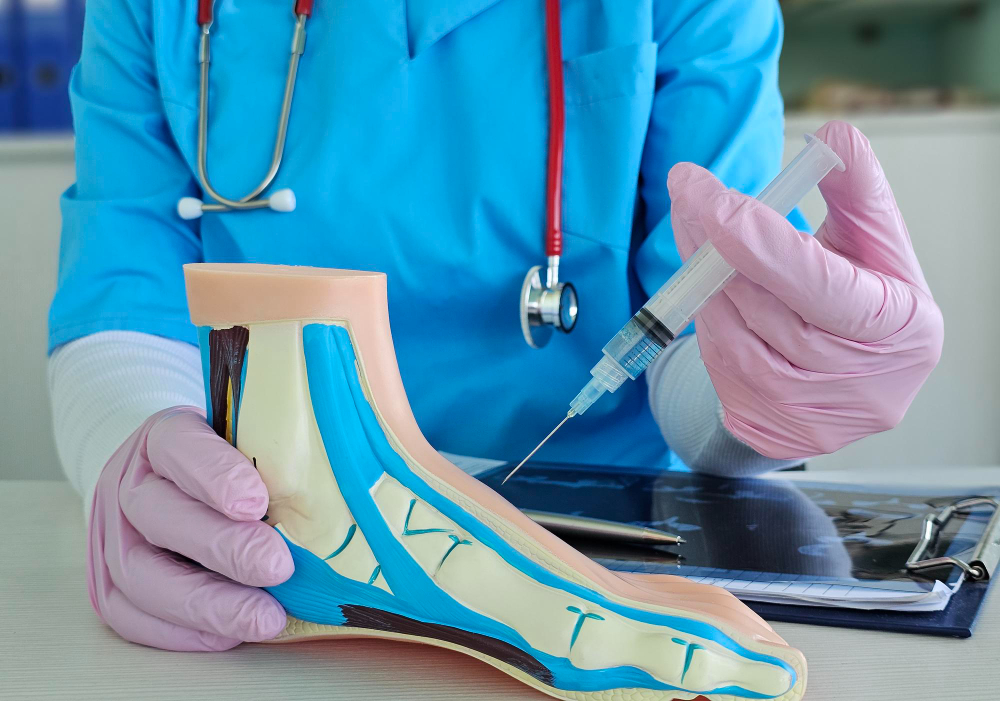
What is Peroneal Tendon Surgery?
Peroneal tendon surgery is a procedure to repair or fix damaged tendons on the outside of your ankle. These tendons help move and stabilize your foot. Sometimes, injuries or wear and tear can cause pain or weakness. In such cases, surgery may be needed. Many people choose this surgery to relieve pain and restore movement. Peroneal tendon surgery is a type of orthopedic foot surgery. It can help you walk and move without discomfort.
Symptoms Indicating Surgery
Not everyone with ankle pain needs surgery. However, some symptoms may suggest that peroneal tendon surgery is needed. For example, you may notice:
If these symptoms last for weeks, you should see a doctor. Early treatment can prevent further damage.
Causes and Risk Factors
Many things can damage the peroneal tendons. For instance, you might injure them during sports or after a fall. Other causes include:
Some people are more at risk. For example, athletes and those with foot shape problems may need peroneal tendon repair more often.
Diagnosis and Evaluation
Doctors use several steps to diagnose peroneal tendon problems. First, they ask about your symptoms and medical history. Next, they examine your foot and ankle. Often, they check for swelling, tenderness, or weakness. In many cases, imaging tests help confirm the diagnosis. These may include:
Accurate diagnosis is important. It helps your doctor decide if peroneal tendon surgery is the best option for you.
The Surgical Procedure (Step-by-Step Overview)
Peroneal tendon surgery is usually done by an orthopedic surgeon. The steps may vary, but most surgeries follow this process:
Most surgeries take one to two hours. Afterward, your ankle is wrapped or placed in a cast for protection.
Recovery and Rehabilitation
Recovery after peroneal tendon surgery takes time. However, most people return to normal activities within a few months. Here is what you can expect:
Peroneal tendon repair recovery time varies. Some people heal in six weeks, while others need three months or more. Following your doctor’s advice helps speed up recovery.
Potential Risks and Complications
Like all surgeries, peroneal tendon surgery has some risks. Although most people recover well, you should know about possible problems. These may include:
To reduce risks, always follow your doctor’s instructions. If you notice redness, swelling, or fever, contact your healthcare provider right away. According to orthopedic journals, most complications are rare when surgery is done by an experienced surgeon.
Prevention and Lifestyle Tips
After recovery, you can take steps to protect your tendons. For example, you can:
These simple steps can help prevent future injuries. In addition, they support long-term foot health.
Conclusion
Peroneal tendon surgery can relieve pain and restore movement for many people. However, early diagnosis and proper care are important. If you have ongoing ankle pain or weakness, consult an orthopedic specialist to discuss your treatment options and receive personalized care.