
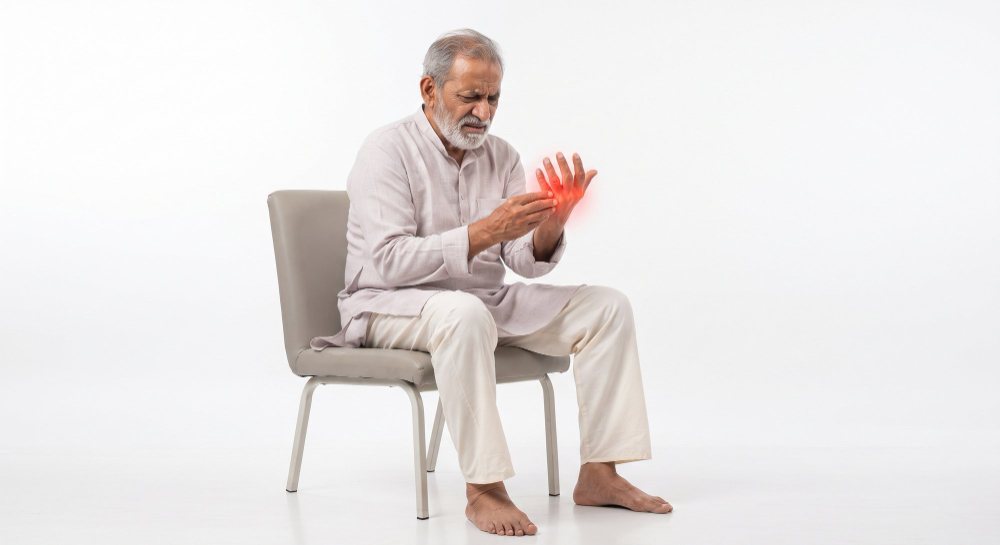
What Is Osteoarthritis?
Osteoarthritis is a common joint condition. It happens when the cartilage that cushions your joints wears down over time. Because of this, bones may rub together, causing pain and stiffness. Osteoarthritis can affect any joint, but it often targets the knees, hips, hands, and spine. According to the CDC, it is the most common form of arthritis worldwide. Many people develop osteoarthritis as they age, but it can also affect younger adults, especially after joint injuries.
Why Early Detection Matters
Early signs of osteoarthritis are important to notice. If you spot them soon, you can slow the disease and protect your joints. For example, early care may help you avoid surgery later. In addition, early treatment can reduce pain and keep you moving. The World Health Organization (WHO) notes that early action can improve your quality of life. Because osteoarthritis gets worse over time, it is best to act quickly.
Common Early Signs of Osteoarthritis
Many people miss the first signs of osteoarthritis. However, noticing these symptoms early can make a big difference. Watch for these early warning signs of osteoarthritis:
Sometimes, symptoms start mild and get worse slowly. For this reason, do not ignore even small changes in how your joints feel.
Risk Factors for Osteoarthritis
Several things can raise your risk for osteoarthritis. Knowing these risk factors can help you stay alert for early signs. Common risk factors include:
Even if you have one or more risk factors, you can take steps to protect your joints. For example, keeping a healthy weight can lower your risk.
How Osteoarthritis Is Diagnosed
Doctors use several methods to diagnose osteoarthritis. First, they ask about your symptoms and medical history. Next, they check your joints for pain, swelling, and movement. Sometimes, doctors order X-rays to look for joint changes. In some cases, they may use MRI scans for a closer look. Blood tests are not used to diagnose osteoarthritis, but they can rule out other joint pain causes. According to the CDC, early diagnosis helps you get the right treatment sooner.
When to See a Doctor
It is important to see a doctor if you notice early signs of osteoarthritis. For instance, seek help if you have:
Early care can prevent further joint damage. If you live in your local area, many orthopedic clinics offer early screening for osteoarthritis symptoms.
Lifestyle Tips for Managing Early Osteoarthritis
There are steps you can take to manage early osteoarthritis. These tips can help reduce pain and keep your joints healthy:
Because every person is different, talk to your doctor before starting new activities.
Prevention Strategies
While you cannot always prevent osteoarthritis, you can lower your risk. Consider these prevention strategies:
With these steps, you can help your joints stay strong and healthy for years to come.