
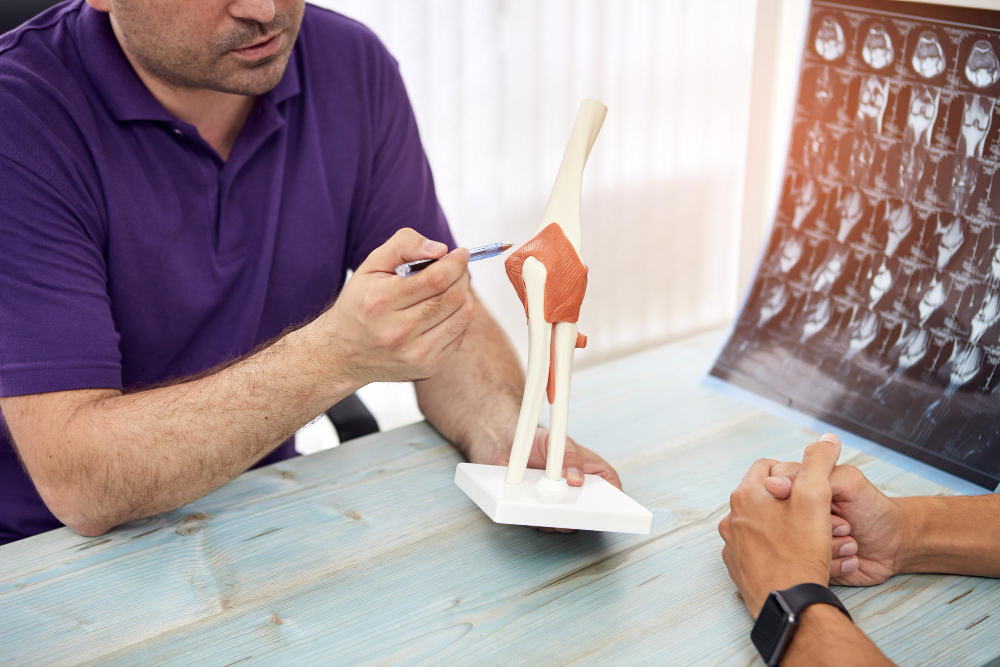
Many people with joint pain want to avoid joint replacement. Osteotomy for joint preservation is a surgery that can help. This treatment aims to relieve pain and keep your own joint healthy for longer. For some, it can delay or even prevent the need for a full joint replacement. In this blog, you will learn how osteotomy works, who may benefit, and what to expect from this joint preservation surgery.
What Is Osteotomy?
Osteotomy is a type of orthopedic surgery. During this procedure, a surgeon cuts and reshapes a bone near a damaged joint. For example, they may remove a small wedge of bone or add one. This changes how weight moves through the joint. As a result, it can reduce pain and improve movement. Often, osteotomy is used for the knee or hip, but it can help other joints too.
How Osteotomy Helps Preserve Joints
Osteotomy for joint preservation works by shifting pressure away from the damaged part of the joint. Because of this, healthy parts of the joint carry more weight. Over time, this can slow down joint damage. In many cases, it helps people stay active and avoid joint replacement. According to the American Academy of Orthopaedic Surgeons, osteotomy can delay the need for a total knee replacement by several years.
Who May Benefit from Osteotomy?
Not everyone with joint pain needs an osteotomy. However, some people are good candidates for osteotomy. You may benefit if you:
In addition, people with knee or hip arthritis in only one area may be good candidates. Your orthopedic surgeon will help decide if this is the right joint pain treatment option for you.
Common Symptoms and Conditions Leading to Osteotomy
Many people consider osteotomy when they have:
Most often, osteotomy is used for conditions like early osteoarthritis, knee bowing (varus), or knock-knees (valgus). Sometimes, it helps after an injury that changed the shape of the bone. If you notice these symptoms, you may want to ask about joint preservation surgery.
Diagnosis and Evaluation Process
First, your doctor will ask about your symptoms and health history. Next, they will check your joint movement and strength. X-rays or MRI scans help show where the damage is. Sometimes, blood tests rule out other causes of joint pain. After reviewing all the results, your orthopedic specialist will decide if osteotomy is a good option. Because every patient is different, a full evaluation is important. If you are searching for osteotomy specialists near you, check for board-certified orthopedic surgeons.
Treatment Steps and Recovery
Osteotomy surgery usually takes one to two hours. During the procedure, the surgeon makes a small cut in the bone. Then, they reshape or realign the bone as needed. Metal plates or screws may hold the bone in place while it heals. After surgery, you may stay in the hospital for a day or two. Physical therapy begins soon after. Most people use crutches or a walker for several weeks. With time, you will regain strength and movement. Full recovery can take three to six months, but many return to normal activities sooner.
Risks and Potential Complications
As with any orthopedic surgery for joint health, osteotomy has some risks. These may include:
However, most people recover well. Your surgeon will discuss all risks and answer your questions before surgery. According to the CDC, following post-surgery instructions lowers the chance of problems.
Lifestyle Tips After Osteotomy
After osteotomy, it is important to protect your joint. For example, you should:
Because recovery takes time, patience is key. With the right care, many people return to work and hobbies after osteotomy.
Prevention and Joint Health Guidance
Even after joint preservation surgery, you can take steps to keep your joints healthy. For instance:
Because early care can prevent further joint damage, talk to your doctor if you notice new pain. Staying informed about joint pain treatment options helps you make the best choices for your health.