
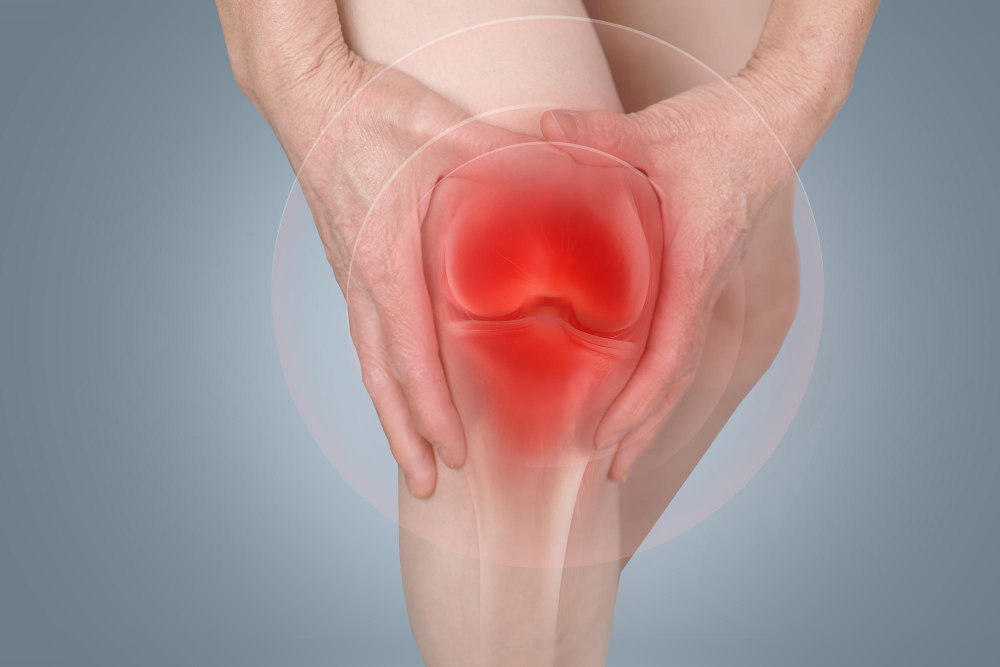
What is a Meniscus Tear?
A meniscus tear is a common knee injury. The meniscus is a rubbery, C-shaped piece of cartilage in your knee. It acts like a cushion between your thigh bone and shin bone. When you twist or turn your knee suddenly, the meniscus can tear. This often happens during sports or after a fall. However, it can also occur from simple daily activities, especially as we age. Many people with a meniscus tear notice pain, swelling, or a popping sound right after the injury.
Common Symptoms of a Meniscus Tear
After a knee injury, you may wonder if you have a meniscus tear. Several signs can help you know. For example, you might feel pain on the inside or outside of your knee. In addition, swelling often appears within a day or two. Sometimes, your knee may feel stiff or hard to move. You may also hear or feel a clicking or popping sound. When you try to walk, your knee might lock or give way. If these symptoms last, it is important to seek medical advice.
Causes and Risk Factors
Most meniscus tears happen during activities that twist or put pressure on the knee. For instance, sports like soccer or basketball can increase the risk. However, even squatting or lifting something heavy can cause a tear. As people get older, the meniscus becomes weaker and more likely to tear. In addition, people with knee arthritis have a higher risk. Sometimes, a simple movement can cause a tear if the meniscus is already worn down.
How Meniscus Tears are Diagnosed
Doctors use several steps to diagnose a meniscus tear. First, they will ask about your symptoms and how the injury happened. Next, they will examine your knee for pain, swelling, and movement. Sometimes, doctors use special tests to check for a tear. For example, they may bend and twist your knee to see if it hurts. In many cases, an MRI scan helps confirm the diagnosis. X-rays do not show the meniscus, but they can rule out broken bones. Early diagnosis helps guide the best treatment for meniscus tears.
Treatment Options for Meniscus Tears
Treatment for a meniscus tear depends on the size and location of the tear. In many cases, rest and simple care can help. For example, you may need to keep weight off your knee and use ice to reduce swelling. Sometimes, doctors suggest physical therapy to strengthen the muscles around your knee. If the tear is large or your knee locks, surgery may be needed. In some cities, you can find advanced meniscus tear treatment options. Your doctor will help you choose the best plan for your needs.
Tips for Recovery and Lifestyle Guidance
Recovering from a meniscus tear can take time. However, following your doctor’s advice can help speed up healing. For example, you should avoid activities that cause pain. In addition, use crutches if your doctor recommends them. Gentle exercises can help keep your knee flexible. Eating a healthy diet supports healing. If you have surgery, follow all aftercare instructions. Over time, most people return to their normal activities.
Prevention of Meniscus Tears
Although not all meniscus tears can be prevented, some steps can lower your risk. For instance, always warm up before exercise. Strong leg muscles help protect your knee. In addition, wear proper shoes for your sport or activity. Try to avoid sudden twists or turns. If you play sports, learn safe techniques. Regular stretching keeps your knees flexible. These steps can help prevent knee injuries and keep your joints healthy.