
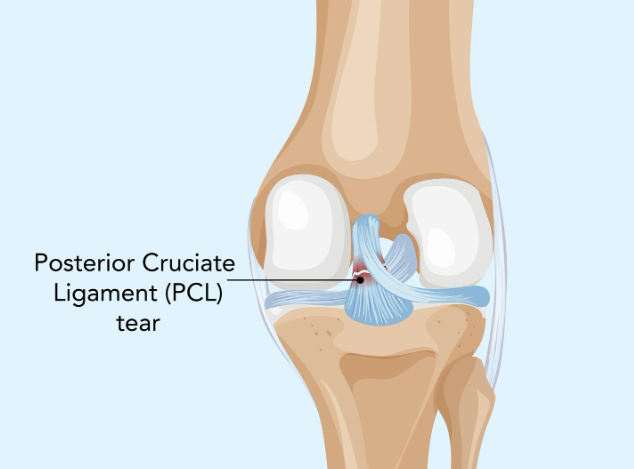
Arthroscopic PCL reconstruction surgery is a modern way to fix a torn posterior cruciate ligament (PCL) in the knee. This surgery uses small tools and a camera to repair the ligament. Because of this, it is less invasive than open surgery. Many people with severe knee injuries may need this procedure. If you have knee pain or trouble walking, you might wonder if arthroscopic PCL reconstruction is right for you. In this blog, you will learn what to expect, how the surgery works, and how to recover well.
What Is the Posterior Cruciate Ligament (PCL)?
The PCL is a strong band of tissue inside your knee. It connects your thigh bone to your shin bone. As a result, it helps keep your knee stable when you walk, run, or jump. Without a healthy PCL, your knee may feel loose or weak.
PCL injuries often happen during sports, car accidents, or falls. For example, if you land hard on a bent knee, the PCL can tear. Sometimes, twisting or a direct blow to the knee can also cause damage. While mild injuries may heal on their own, severe tears often need surgery.
What Is Arthroscopic PCL Reconstruction Surgery?
Arthroscopic PCL reconstruction is a type of knee ligament surgery. During this procedure, the surgeon uses a tiny camera called an arthroscope. This camera lets the doctor see inside your knee without making large cuts. Special tools are then used to remove the damaged ligament and replace it with a new one, called a graft.
Unlike open surgery, arthroscopy uses small incisions. Because of this, patients often heal faster and have less pain. In addition, there is usually less scarring and a lower risk of infection.
Who Needs Arthroscopic PCL Reconstruction?
Not everyone with a PCL injury needs surgery. However, you might need arthroscopic PCL reconstruction if you have:
Doctors use physical exams and imaging tests, like MRI scans, to check your knee. If the ligament is badly torn or if your knee is unstable, surgery may be the best option. Sometimes, athletes or active people choose surgery to return to sports safely.
How Is the Surgery Performed?
First, you will get anesthesia so you do not feel pain during the surgery. Next, the surgeon makes small cuts around your knee. Through these cuts, the arthroscope and tools are inserted. The damaged PCL is removed, and a new graft is placed in its spot. The graft may come from your own body or a donor.
Usually, the surgery takes about one to two hours. Most patients go home the same day, but some may stay overnight for observation. Because the cuts are small, recovery is often quicker than with open surgery.
Recovery and Rehabilitation
After surgery, recovery takes time. Most people use crutches for a few weeks. Physical therapy starts soon after to help you regain strength and movement. While some can return to normal activities in four to six months, full recovery may take up to a year.
To heal well, follow your doctor’s advice. Here are some tips:
Possible complications include infection, blood clots, or stiffness. However, you can lower these risks by following care instructions and reporting any problems to your doctor right away.
Benefits and Risks
Arthroscopic PCL reconstruction offers many benefits. For example, it can restore knee stability, reduce pain, and help you return to sports or daily life. Because the surgery is less invasive, recovery is often faster and easier.
Still, there are some risks. These may include:
Although these problems are rare, it is important to discuss them with your doctor. Always ask about PCL surgery risks before making a decision.
Prevention and Lifestyle Guidance
To prevent knee injuries, try these tips:
For better joint health, maintain a healthy weight and stay active. In addition, eat a balanced diet rich in calcium and vitamin D. If you have knee pain, rest and seek medical advice early.
Frequently Asked Questions (FAQs)
How long does recovery take after arthroscopic PCL reconstruction?
Most people return to normal activities in four to six months. However, full healing can take up to a year.
Will I need physical therapy after surgery?
Yes, physical therapy is very important. It helps you regain strength and movement in your knee.
Are there risks with knee ligament surgery?
There are some risks, such as infection or blood clots. However, these are rare and can often be prevented with proper care.
Can I return to sports after PCL reconstruction?
Many people return to sports after recovery. However, you should follow your doctor’s advice and complete your rehab program first.
Is arthroscopic surgery better than open surgery?
Arthroscopic surgery uses smaller cuts, so recovery is usually faster and less painful. It also has a lower risk of infection.
For more information or if you have concerns, consult an orthopedic specialist for personalized advice about arthroscopic PCL reconstruction surgery.