
Introduction
Cartilage damage and bone problems can cause lasting pain and limit movement. Cartilage is the smooth tissue that covers the ends of bones in your joints. When it wears down or gets injured, you may feel pain, swelling, or stiffness. Bone problems, like fractures or arthritis, can also affect how you move. While painkillers may help for a short time, they do not fix the real issue. For many people, surgical solutions offer better results for long-term joint health. In this blog, we will explore cartilage damage and bone problems, why surgery may be needed, and what to expect after treatment.
What is Cartilage Damage? (Symptoms and Causes)
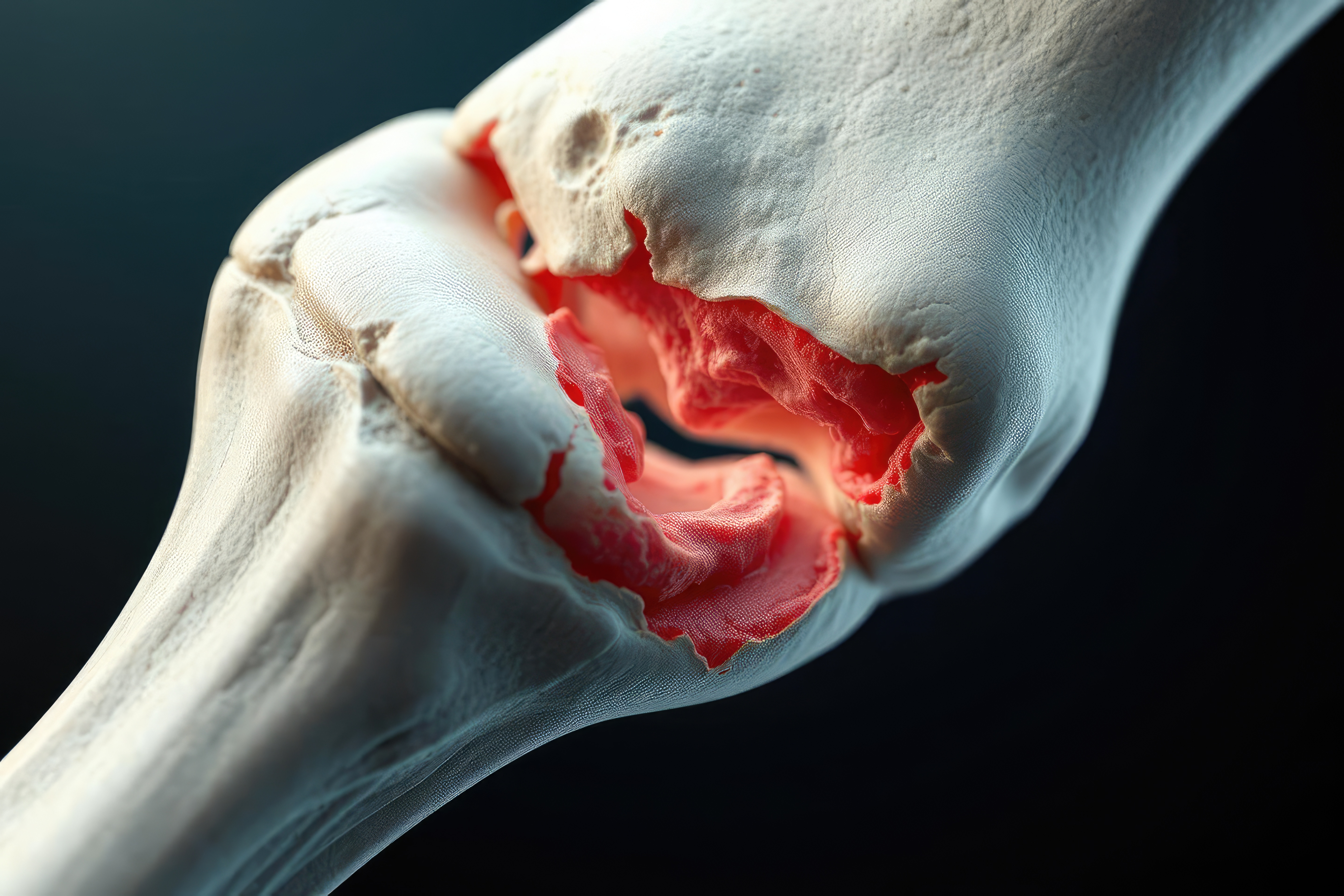
Cartilage damage happens when the smooth tissue in your joints breaks down or tears. This can happen from an injury, overuse, or normal aging. For example, athletes and older adults are at higher risk. When cartilage is damaged, bones may rub together, causing pain and swelling.
Sometimes, cartilage damage is caused by a sudden injury, like a fall or sports accident. Other times, it happens slowly due to wear and tear, as seen in osteoarthritis. According to the World Health Organization (WHO), joint problems like osteoarthritis affect millions worldwide.
Common Bone Problems Requiring Surgery
Bone problems can also lead to pain and trouble moving. While some bone issues heal with rest, others need surgery. Here are some common bone problems that may require surgical care:
For many of these conditions, surgery can help restore movement and reduce pain.
Why Painkillers Are Not Enough
Painkillers can help you feel better for a short time. However, they do not fix the root cause of cartilage damage or bone problems. Over time, relying only on pain medicine can lead to other health issues, such as stomach problems or addiction. In addition, painkillers do not stop joint damage from getting worse. Therefore, it is important to look for long-term solutions, especially if pain or stiffness keeps coming back.
Surgical Solutions for Cartilage and Bone Issues
When other treatments do not work, surgery may be the best option. Orthopedic surgeons use many advanced methods to repair cartilage and bone. Here are some common surgical solutions:
These surgeries can help restore movement and reduce pain for many people. In cities with advanced hospitals, like orthopedic surgery in New York or Los Angeles, patients have access to the latest treatments. Always talk to your doctor about which option is best for you.
Recovery and Lifestyle Tips After Surgery
After surgery, recovery is very important. With the right care, you can get back to daily life faster. Here are some tips to help you heal:
Most people can return to normal activities within a few weeks or months, depending on the type of surgery. However, everyone heals at their own pace.
Prevention and Long-Term Joint Health
Even after surgery, it is important to protect your joints and bones. You can take steps to keep them healthy for years to come. For example:
By following these tips, you can lower your risk of future joint problems and enjoy a more active life.
Conclusion
In summary, cartilage damage and bone problems can cause pain and limit your life. While painkillers may help for a short time, they do not fix the real issue. Surgical solutions offer hope for lasting relief and better movement. If you have ongoing joint pain, consult an orthopedic specialist to explore the best surgical solutions for your joint health.