
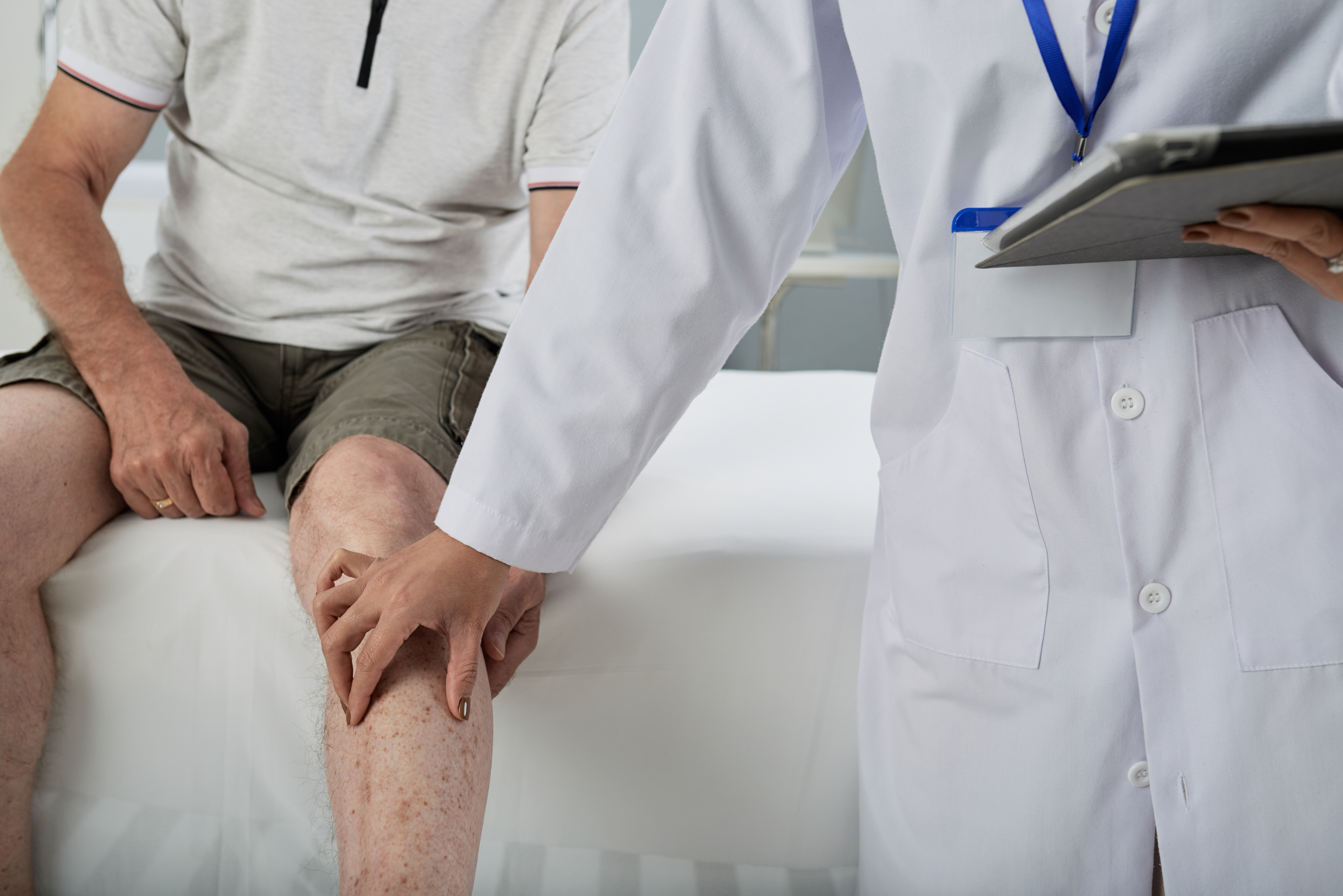
Knee replacement surgery helps many people regain movement and reduce pain. This procedure replaces a damaged knee joint with an artificial one. For the best results, it is important to follow certain dos and don’ts after knee replacement surgery. These steps can help you heal faster and avoid problems. Let’s explore what you should and should not do for a smooth recovery.
What is Knee Replacement Surgery?
Knee replacement surgery is a common procedure for people with severe knee pain or damage. Often, doctors suggest this surgery when other treatments do not work. During the operation, the surgeon removes the damaged parts of your knee. Then, they replace them with metal and plastic parts. As a result, many people find it easier to walk and do daily activities after recovery. According to the CDC, knee replacement can greatly improve quality of life for those with joint pain.
Why Following Dos and Don’ts Matters
After surgery, your knee needs time to heal. However, what you do during this time can affect your recovery. Following the right steps helps prevent infection, pain, and other problems. In addition, it can help you get back to your normal life sooner. If you ignore advice, you may slow down your healing or even damage your new knee. Therefore, knowing the dos and don’ts is very important for long-term success.
Dos After Knee Replacement Surgery
Here are some important things you should do after knee replacement surgery:
Don’ts After Knee Replacement Surgery
There are also important things you should avoid after knee replacement surgery:
Tips for a Smooth Recovery
For a better recovery, you can follow these simple tips. First, set up your home before surgery. Remove loose rugs and keep walkways clear to avoid tripping. Next, use ice packs to reduce pain and swelling. In addition, wear comfortable shoes with good grip. Try to keep a regular sleep schedule to help your body heal. If you feel pain, let your doctor know right away. Moreover, avoid smoking and limit alcohol, as these can slow healing. For more knee replacement recovery tips, ask your healthcare team for advice.
When to Contact Your Doctor
Sometimes, problems can happen after knee surgery. You should call your doctor if you notice any of these warning signs:
If you have any of these symptoms, contact your healthcare provider right away. Early treatment can prevent serious problems.
Conclusion
Knee replacement surgery can help you live with less pain and more movement. However, following the right dos and don’ts is key to a safe recovery. Always listen to your doctor and ask questions if you are unsure. For personalized advice on knee replacement recovery, consult an orthopedic specialist.