
What Is Knee Replacement Surgery?
Knee replacement surgery helps people with severe knee pain or damage. Doctors remove the damaged parts of the knee and replace them with artificial parts. Often, this surgery helps people walk better and feel less pain. For many, it can improve daily life. The World Health Organization notes that knee replacement is safe and effective for most people. However, recovery takes time and effort.
Immediate Post-Surgery Recovery: What to Expect
After knee replacement surgery, you will spend a few days in the hospital. During this time, nurses and doctors will watch your progress. Right after surgery, you may feel pain and stiffness. However, pain medicine and ice packs can help. You may also wear special stockings to prevent blood clots. Physical therapy often starts within 24 hours. This early movement helps prevent stiffness and speeds up recovery. Most people use a walker or crutches at first.
Recovery Timeline: Week-by-Week Progress
The knee replacement recovery timeline can vary. Still, most people follow a similar path. Here is what you can expect:
Remember, everyone heals at their own pace. Always follow your doctor’s advice for the best results.
Key Rehabilitation Exercises and Physical Therapy
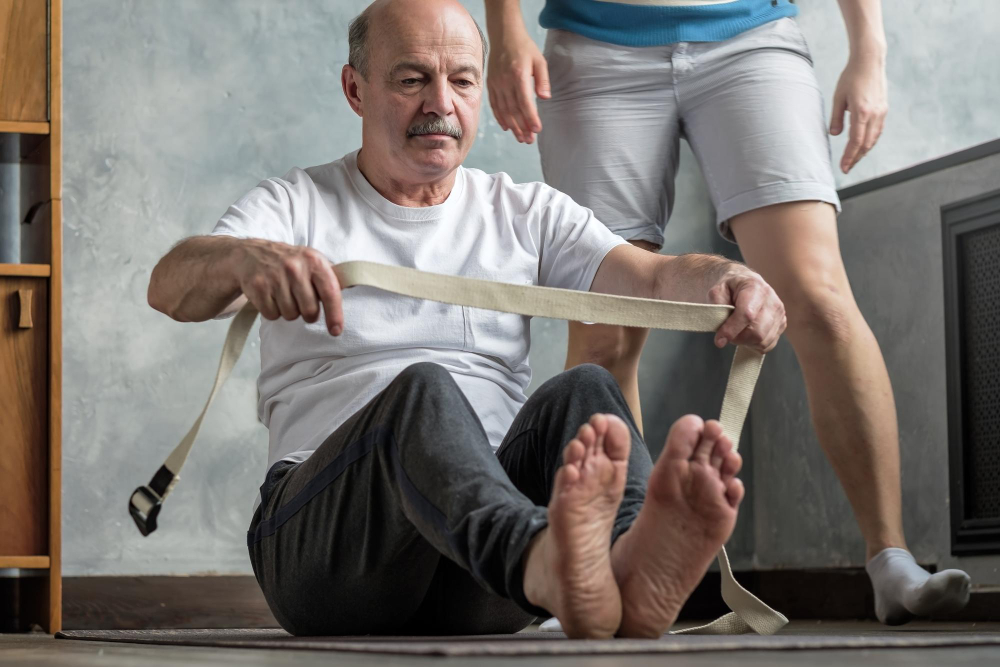
Rehabilitation after knee surgery is important for a good recovery. Physical therapists will teach you safe exercises. These exercises help you regain strength and movement. For example, you may do:
As you progress, your therapist may add more exercises. Always let your therapist know if you feel pain during any activity. With regular therapy, you can improve faster and get back to your normal life.
Tips for Managing Pain and Swelling
After knee replacement, pain and swelling are common. However, there are ways to manage them. For instance, you can:
In addition, avoid sitting or standing for long periods. If pain or swelling gets worse, contact your doctor right away.
Returning to Daily Activities: Guidelines and Precautions
Many people want to know when they can return to daily life after knee replacement. While you may feel better in a few weeks, you should take care. For example, start with light activities like walking or gentle chores. Avoid running, jumping, or heavy lifting at first. Always use handrails when climbing stairs. If you drive, wait until your doctor says it is safe. For some, this may take four to six weeks. Listen to your body and rest when needed. Gradually, you can add more activities as you heal.
Long-Term Care and Lifestyle Adjustments
Life after knee replacement often means making some changes. To protect your new knee, try to:
With these habits, you can help your knee last longer and feel better each day.
Preventing Complications After Knee Replacement
Although knee replacement is safe for most people, complications can happen. However, you can lower your risk by following these steps:
By staying alert and following your care plan, you can enjoy a smooth recovery and a better quality of life after knee replacement.