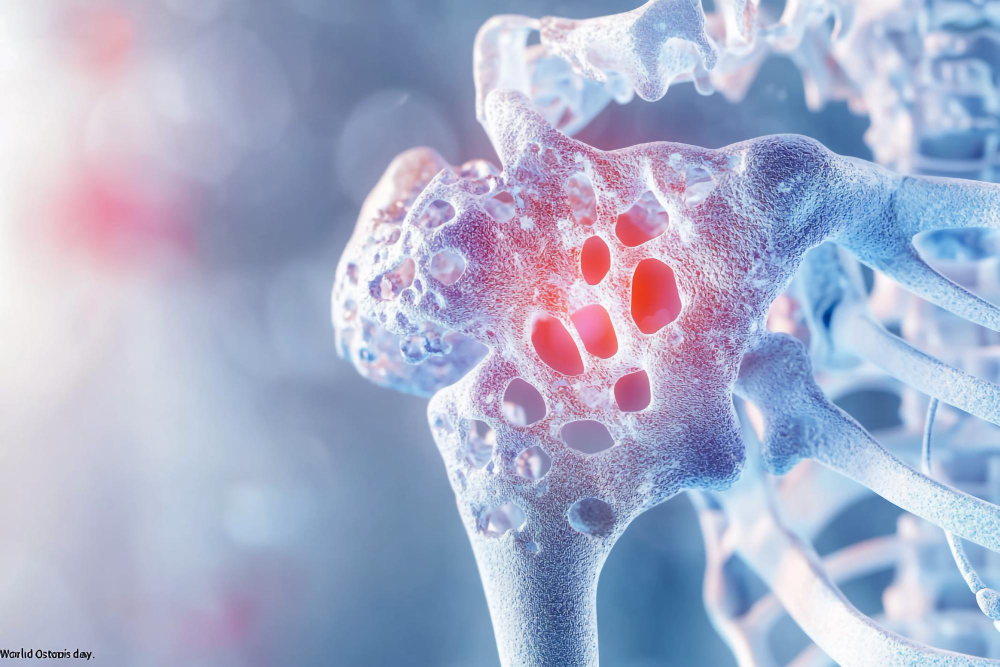
What is Osteoporosis?
Osteoporosis is a bone disease that makes bones weak and easy to break. Many people call it the “silent disease” because it often shows no signs until a bone breaks. In fact, osteoporosis can affect anyone, but it is more common in older adults. Because bones lose strength over time, it is important to know about osteoporosis and how to protect your bone health.
Common Symptoms
Often, osteoporosis does not cause pain or other symptoms at first. However, as the disease gets worse, you may notice changes. For example, you might experience:
Because these signs can be subtle, many people do not realize they have osteoporosis until a fracture occurs. Therefore, it is important to watch for these symptoms and talk to your doctor if you notice any changes.
Causes and Risk Factors
Osteoporosis happens when the body loses too much bone, makes too little bone, or both. As a result, bones become weak. Several factors can increase your risk of developing osteoporosis. For instance, you may be at higher risk if you:
Additionally, some health conditions, such as thyroid problems or rheumatoid arthritis, can raise your risk. Knowing these risk factors can help you take steps to protect your bones.
How Osteoporosis is Diagnosed
Doctors use a special test called a bone density scan to check for osteoporosis. This test is quick and painless. It measures how strong your bones are. If your doctor thinks you might have osteoporosis, they may also ask about your medical history and do a physical exam. Sometimes, blood tests help rule out other causes of bone loss. Early diagnosis is important because it helps prevent fractures and other problems.
Treatment Options
There are several ways to treat osteoporosis. Your doctor may suggest:
In some cases, your doctor may change your current medicines if they are causing bone loss. Because each person is different, your treatment plan will depend on your needs. According to the World Health Organization (WHO), early treatment can help reduce the risk of broken bones.
Lifestyle Tips for Bone Health
Besides medical treatment, you can take steps at home to keep your bones strong. For example:
These bone health tips can make a big difference. Even small changes can help protect your bones over time.
Prevention Strategies
Preventing osteoporosis starts early. While you cannot change your age or family history, you can still lower your risk. Try these prevention tips:
Because osteoporosis can develop silently, early action is key. The Centers for Disease Control and Prevention (CDC) recommends healthy habits for everyone, especially as you get older.
In summary, osteoporosis is a silent bone disease that can lead to serious problems. However, you can take steps to protect your bones. Consult an orthopedic specialist for personalized osteoporosis guidance.