What Is a Stroke?
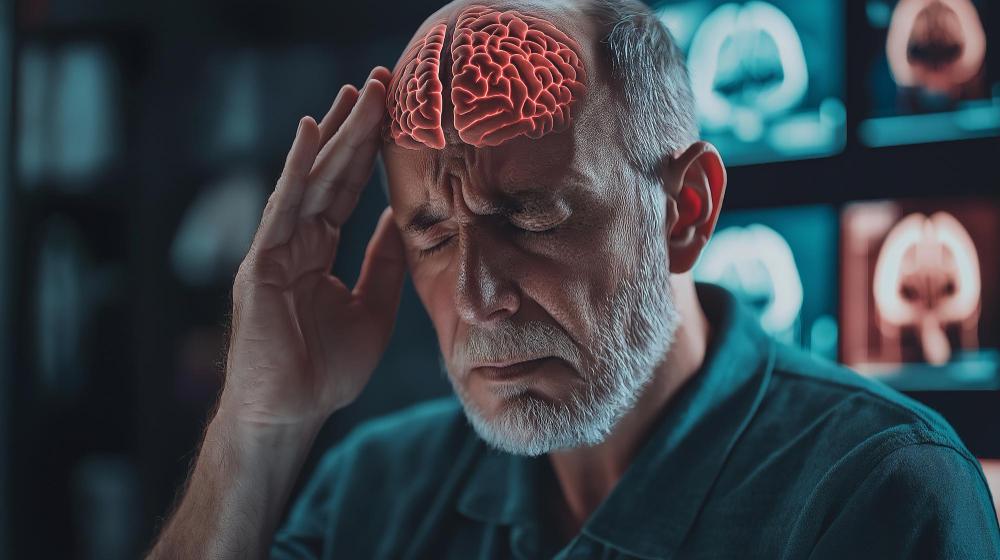
A stroke happens when blood flow to part of the brain stops. Without enough blood, brain cells start to die within minutes. Because of this, knowing stroke warning signs can save lives. There are two main types of stroke. One type is caused by a blocked blood vessel. The other type happens when a blood vessel bursts. Both types are medical emergencies. According to the CDC, stroke is a leading cause of death and disability worldwide.
Why Early Recognition Matters
Every second counts during a stroke. If you spot early signs of stroke, you can help someone get treatment faster. Quick action can reduce brain damage. It can also improve recovery. For this reason, learning how to spot a stroke is very important. Many people do not know the symptoms. As a result, they may wait too long to get help. Early recognition can make a big difference in outcome.
Common Stroke Warning Signs and Symptoms
Stroke symptoms often appear suddenly. However, they can be easy to miss. The most common stroke warning signs include:
Remember the word FAST for stroke recognition:
Because stroke symptoms in adults can vary, always act quickly if you notice any of these signs.
Causes and Risk Factors
Several things can raise your risk for stroke. While some risk factors cannot be changed, others can be managed. Common causes and risk factors include:
Because these factors can add up, it is important to know your risks. According to the World Health Organization, controlling blood pressure is one of the best ways to lower stroke risk.
How to Respond if You Notice Stroke Symptoms
If you see early signs of stroke, act fast. First, call emergency services right away. Do not wait to see if symptoms go away. While you wait for help, keep the person safe and calm. Do not give them food, drink, or medicine unless told by a doctor. Even if symptoms seem mild, quick action can save brain cells. Because time lost is brain lost, every minute matters.
Prevention Tips for Reducing Stroke Risk
There are steps you can take to lower your risk of stroke. For example, you can:
Because small changes can make a big difference, start with one healthy habit at a time. Over time, these steps can help prevent stroke and improve your overall health.