Introduction
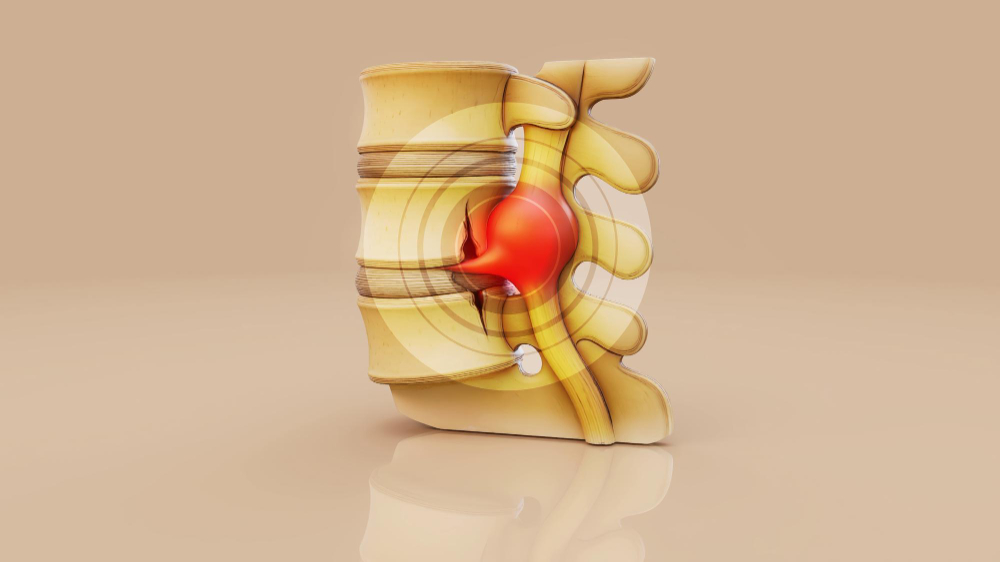
A herniated disc is a common spine problem. It happens when the soft center of a spinal disc pushes out through a crack in the outer layer. This can press on nearby nerves. As a result, you may feel pain, numbness, or weakness. Many people need help with herniated disc symptoms. Because it can affect daily life, understanding this condition is important. Orthopedic spine care can help manage and treat herniated discs. Early care often leads to better results.
Symptoms of Herniated Disc
Herniated disc symptoms can vary. Some people have no signs, while others feel severe pain. Usually, symptoms depend on where the disc is in the spine. For example, a herniated disc in the lower back may cause:
On the other hand, a herniated disc in the neck may cause:
Sometimes, symptoms get worse with movement. However, rest may help ease the pain. If you notice sudden weakness or loss of bladder control, seek medical help right away.
Causes and Risk Factors
There are several causes of herniated disc. Most often, discs wear down with age. This process is called disc degeneration. As we get older, discs lose water and become less flexible. Therefore, they are more likely to tear or rupture. Other risk factors include:
Injuries from falls or accidents can also cause a herniated disc. But in many cases, the exact cause is not clear.
Diagnosis Methods
Doctors use several methods to diagnose a herniated disc. First, they ask about your symptoms and medical history. Next, they perform a physical exam. During the exam, your doctor may check your reflexes, muscle strength, and feeling in your arms or legs. If needed, imaging tests can help confirm the diagnosis. These may include:
Sometimes, nerve tests are used to see how well signals travel along your nerves. Early diagnosis helps guide the best herniated disc treatment.
Treatment Options
There are many herniated disc treatment options. Most people get better with simple care. However, some may need more advanced treatments. Common options include:
Medical Treatments
Surgical Treatments
In rare cases, surgery may be needed. This is usually for people who do not improve with other treatments. Surgery can remove the part of the disc pressing on nerves. Most people recover well after surgery. However, your doctor will discuss the risks and benefits with you.
Lifestyle Tips for Managing Herniated Disc
Managing a herniated disc at home is possible. With the right steps, you can reduce pain and improve movement. Here are some helpful tips:
Additionally, joining a physical therapy program can help you learn safe ways to move. Always talk to your doctor before starting new exercises.
Prevention Strategies
There are ways to lower your risk of a herniated disc. While not all cases can be prevented, these steps can help:
By following these tips, you can protect your spine. For more advice on how to prevent herniated disc, ask your healthcare provider.
Conclusion
In summary, a herniated disc can cause pain and limit movement. However, many people improve with proper care. Early diagnosis and treatment are important. If you have back or neck pain, do not ignore it. Consult an orthopedic specialist for personalized advice on herniated disc management.